
One of the most remarkable features of Hindu tradition is its extraordinary ability to embrace diverse viewpoints, practices, and philosophical conclusions. Where many frameworks demand uniformity of belief, Sanatana Dharma celebrates plurality as a natural reflection of a multifaceted universe. This inclusive approach provides a refreshing perspective on how we can navigate difference and build harmony in an increasingly interconnected world.
One Truth, Many Paths
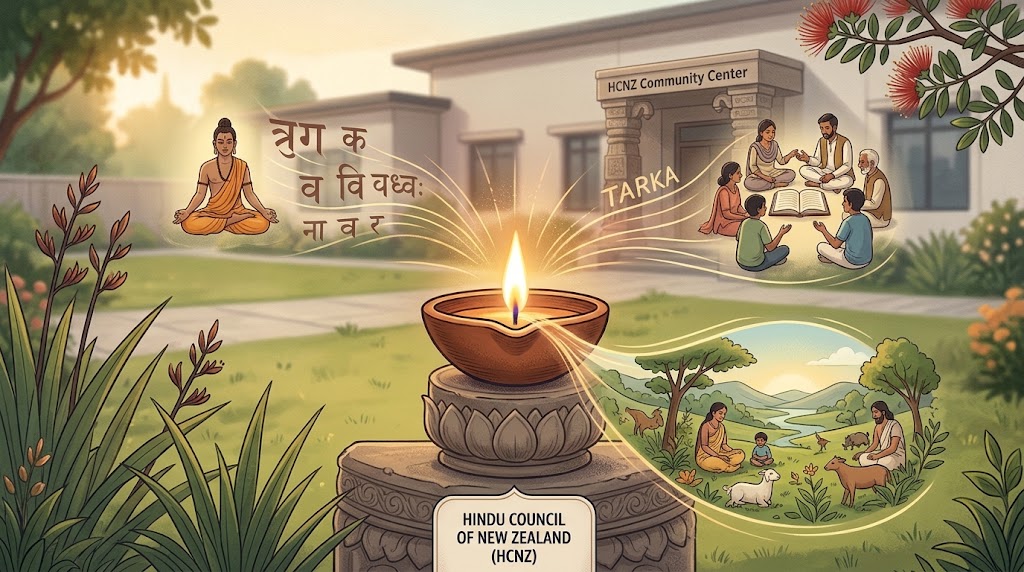
A foundational Sanskrit verse from the Rig Veda encapsulates this inclusive worldview: "Ekam Sat Vipra Bahudha Vadanti"—Truth is One, though the wise express it in many ways.
Rather than asserting an exclusive monopoly on truth, Hindu tradition recognizes that individuals possess unique dispositions, backgrounds, and temperaments (Adhikara). Consequently, no single spiritual practice or philosophical approach can suit everyone.
- Different Approaches to Growth: Whether one finds connection through intellectual inquiry (Jnana), devotion (Bhakti), selfless action (Karma), or meditative discipline (Raja), all paths are honored as valid avenues toward self-realisation.
- Respect for Cultural Variety: Diversity in customs, language, art, and worship is seen not as a source of division, but as an enrichment of human experience.
The Art of Constructive Debate: Tarka
Inclusivity in Hindu thought does not mean passive agreement or the absence of critical thinking. Historically, ancient India cultivated a rich culture of debate (Shastrartha) and logical analysis (Tarka).
- Understanding the Opposing View: Before refuting a rival philosophy, a scholar was required to present the opponent's argument (Purvapaksha) so accurately that the opponent themselves would agree with the representation. Only then could a counter-perspective (Uttarapaksha) be offered.
- Mutual Enrichment: Discussions were viewed as collaborative searches for deeper truth rather than ideological battles. This tradition of respectful dialogue allowed multiple philosophical schools—ranging from non-dualism to dualism and materialist skepticism—to thrive side by side for centuries.
Environmental Harmony: Extending Inclusivity to Nature
The inclusive framework of Sanatana Dharma extends beyond human interactions to encompass the entire living ecosystem.
- Kinship with All Life: The ancient text Maha Upanishad introduces the principle of Vasudhaiva Kutumbakam—the whole world is one family. This concept encourages us to view animals, plants, rivers, and mountains as fellow members of a shared ecological community.
- Living Gently: By recognizing the divine presence in all aspects of nature, environmental stewardship becomes an intrinsic habit rather than an external obligation.
Practical Lessons for Modern Society
Embracing the spirit of inclusivity in daily life offers simple, practical guidance for navigating personal relationships and community spaces:
- Active Listening: Seeking to genuinely understand another person's perspective before formulating your response.
- Respecting Differences: Acknowledging that people can arrive at different conclusions while maintaining mutual goodwill.
- Cultivating Empathy: Looking past external labels to connect with the shared human experience within everyone you meet.
A Mindset for Peace
Ultimately, the inclusive nature of Hindu philosophy reminds us that unity does not require uniformity. By cultivating open-mindedness, practicing respectful communication, and honoring the inherent dignity of all life, we can build communities grounded in genuine harmony, peace, and mutual respect.